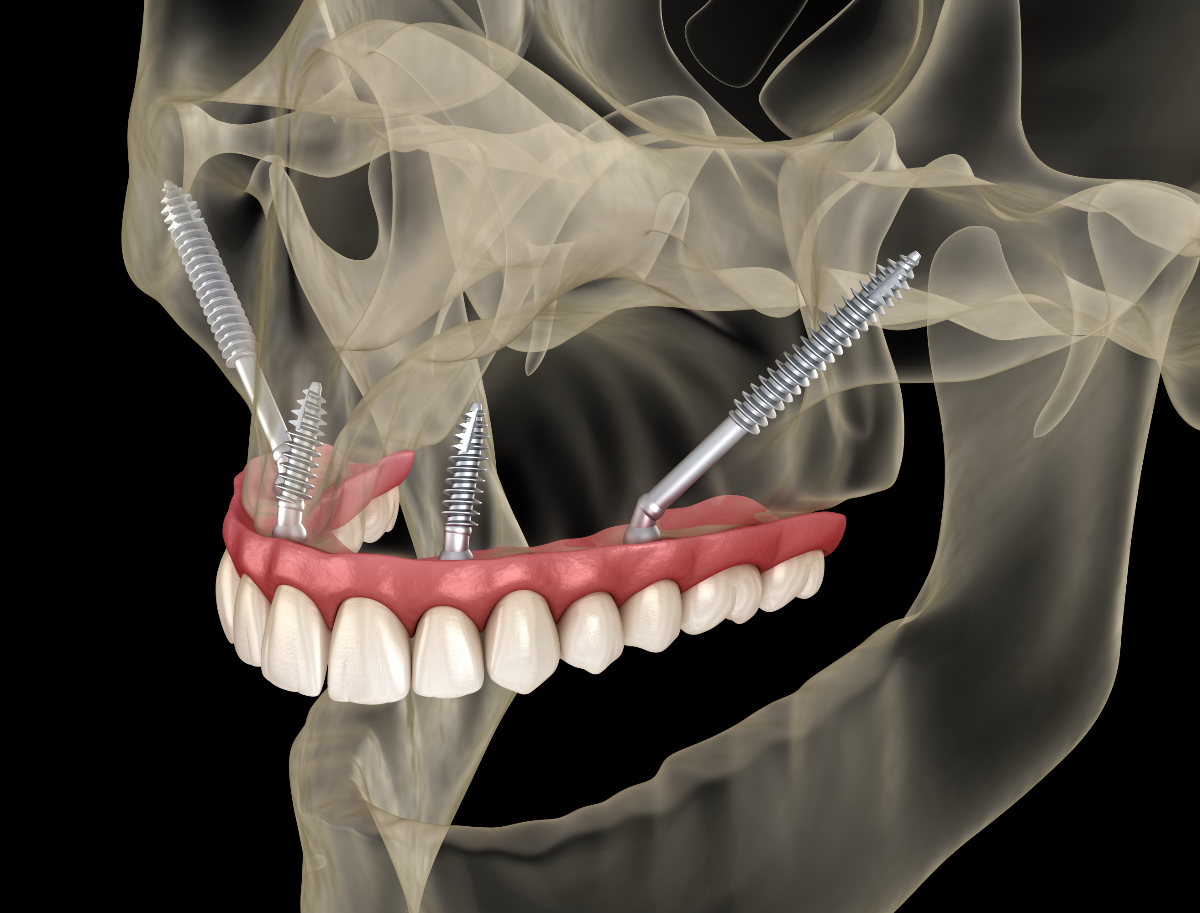
In the realm of dental health, the presence of adequate bone density is crucial for successful implant procedures. When individuals experience significant bone loss in the jaw, their options for traditional dental implants may become limited or entirely unavailable. This article delves into the issues surrounding inadequate bone for implant treatment, explores innovative solutions such as zygomatic implants, and highlights restorative options available at Winterset Dental. Understanding these factors is essential for those seeking to restore their dental health and regain confidence in their smiles.
Understanding Bone Loss in the Jaw
Bone loss in the jaw can occur due to several factors, including periodontal disease, tooth loss, and certain medical conditions. When teeth are missing, the jawbone undergoes a process called resorption, where the bone begins to weaken and diminish because it no longer has the stimulation that comes from chewing and biting. This condition can lead to further dental issues and complicate future restorative procedures.
Moreover, inadequate bone density can significantly affect a person’s facial structure, leading to a sunken appearance that not only alters aesthetics but can also impact overall health. Patients might experience difficulties in chewing, speaking, and even maintaining oral hygiene. Therefore, addressing bone loss is a critical step in restoring function and aesthetics in patients seeking dental implants.
Impact of Bone Loss on Dental Implant Eligibility
Dental implants require a stable foundation to ensure they can withstand the forces of chewing and biting. Insufficient bone density can hinder the ability to securely anchor implants in place. Traditional dental implants are designed to be placed directly into the jawbone; thus, a lack of bone can prevent the procedure from being viable. In such cases, patients may be informed of alternative solutions, such as bone grafting or zygomatic implants.
Bone grafting involves adding bone material to the jaw to create a sufficient base for implants, but this procedure can require significant healing time and may not always be successful. As an alternative, zygomatic implants present a promising solution for patients with substantial bone loss, allowing them to bypass the need for extensive grafting while still achieving effective results.
 Zygomatic Implants
What Are Zygomatic Implants?
Zygomatic implants are a specialized type of dental implant designed to anchor in the zygomatic bone, which is located in the cheek area. Unlike traditional implants that require placement in the upper or lower jawbone, zygomatic implants utilize the denser, more robust zygomatic bone to provide secure anchorage for dental prosthetics. This innovative approach is particularly beneficial for patients who have experienced significant resorption of the maxillary jawbone.
The unique design of zygomatic implants allows for longer engagement with the bone, which can lead to immediate loading in many cases. This means that patients can often receive their permanent prosthetics in a single visit, drastically reducing the treatment timeline and improving overall satisfaction.
Advantages of Zygomatic Implants Over Traditional Implants
One of the principal advantages of zygomatic implants is that they can be placed without the need for extensive bone grafting procedures. This not only saves time but also minimizes complications associated with supplemental surgeries. Zygomatic implants also provide greater stability and support for the dental prosthesis, making them a reliable choice for patients with compromised bone structure.
Additionally, zygomatic implants can significantly enhance the patient’s quality of life. Patients can regain functionality quickly, enjoying the ability to chew, speak, and smile with confidence. The aesthetic benefits of restoring facial structure are also noteworthy, providing a more youthful appearance that many patients desire.
Candidacy for Zygomatic Implants
Not every patient with bone loss is a candidate for zygomatic implants. A thorough evaluation by a dental professional is essential to determine if this option is suitable. Ideal candidates typically have sufficient zygomatic bone structure to support the implants, along with no active periodontal disease or other health issues that could impede healing.
Age is not a disqualifying factor, but overall health plays a crucial role in candidacy. Patients who smoke, for example, may face increased risks of complications and should discuss their habits with their dental provider. Ultimately, a personalized consultation will help determine the best course of action for each individual patient.
Restorative Options at Winterset Dental
Consultation Process
At Winterset Dental, the journey toward recovery and restoration begins with a comprehensive consultation. This initial meeting is designed to assess the patient’s dental health, review medical history, and discuss any specific concerns regarding bone loss and implant options. During the consultation, diagnostic imaging, such as X-rays or CT scans, may be employed to evaluate the jaw’s bone structure accurately.
The dental professionals at Winterset Dental work closely with patients to develop tailored treatment plans that align with their unique needs and preferences. This collaborative approach ensures that patients feel informed and supported throughout their dental journey, setting the stage for successful outcomes.
Procedure Overview
The procedure for placing zygomatic implants typically involves a minimally invasive surgical technique, performed under local anesthesia or sedation, depending on the patient’s comfort level. The oral surgeon will carefully position the implants into the zygomatic bone, ensuring they are securely anchored. The entire process may take a few hours, after which patients can often leave the office with temporary prosthetics in place.
Following the procedure, regular follow-up appointments are essential to monitor healing and ensure the implants are integrating properly with the bone. The timeline for healing can vary, but many patients are able to transition to permanent restorations within a short period, significantly enhancing their quality of life.
Post-Procedure Care and Recovery
Post-operative care is vital for a smooth recovery following zygomatic implant placement. Patients are typically advised to adhere to specific guidelines to promote healing and reduce discomfort. These may include dietary restrictions, recommendations for pain management, and routine oral hygiene practices. It is crucial for patients to avoid certain activities, such as vigorous exercise or hard foods, that may jeopardize the stability of the implants during the healing phase.
Regular check-ups with the dental team will help track progress and address any concerns that may arise. Patients should feel empowered to ask questions and express any apprehensions they may have during the recovery process. With proper care, the vast majority of patients experience successful healing and long-lasting results from their zygomatic implants.
Conclusion
Hope for Patients with Bone Loss
Bone loss in the jaw can present significant challenges for individuals seeking dental restoration, but advancements in dental technology, such as zygomatic implants, provide new hope. These innovative solutions empower patients with compromised bone structure to reclaim their smiles and enhance their quality of life. Understanding the options available and seeking professional guidance can lead to effective treatment outcomes, even in the face of significant dental challenges.
Encouragement to Seek Consultation
For anyone experiencing bone loss or considering dental implants, it is essential to seek a consultation with a qualified dental professional. Personalized evaluations can unveil the most suitable treatment options tailored to individual circumstances. The journey to reclaiming a healthy, confident smile can begin with the right guidance and support, making it all the more important to engage with knowledgeable practitioners in the field.
FAQs
1. What causes bone loss in the jaw?
Bone loss in the jaw can result from various factors, including periodontal disease, tooth loss, trauma, and certain medical conditions. When teeth are missing, the absence of stimulation in the jawbone can lead to resorption, which weakens the bone structure over time.
2. Are zygomatic implants a permanent solution?
Yes, zygomatic implants are designed to be a permanent solution for dental restoration. With proper care and maintenance, they can provide lasting support for dental prosthetics, improving both function and aesthetics.
3. How long is the recovery time after zygomatic implant surgery?
Recovery times can vary among individuals, but many patients experience a relatively quick healing process. Most patients can expect to transition to permanent restorations within a few months, contingent on successful integration of the implants.
4. Can anyone get zygomatic implants?
Not every patient is a candidate for zygomatic implants. Factors such as overall health, bone structure, and lifestyle habits (like smoking) can influence eligibility. A thorough consultation with a dental professional is essential to determine the best approach for each patient.
5. What is the consultation process like?
The consultation process typically involves an assessment of dental health, review of medical history, and diagnostic imaging to evaluate bone structure. Dental professionals will work with patients to create a personalized treatment plan that addresses their unique needs and concerns.