
Replace All Your Missing or Broken-Down Teeth Using Dental Implants
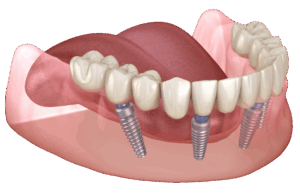 Full-mouth dental implants are a transformative option for individuals who have lost most or all of their teeth. This comprehensive guide explores the implications of tooth loss, the financial aspects of obtaining these implants, and the procedures involved, including innovative solutions like All-on-X and zygomatic implants. With insights into the health impacts, financing options, and the importance of specialized care, this article aims to equip readers with the necessary information to make informed decisions regarding their oral health.
Health Impacts of Tooth Loss
Physical Health Consequences
The loss of teeth can have profound physical health implications. When teeth are missing, the jawbone can begin to deteriorate due to lack of stimulation, leading to a condition called bone resorption. This not only alters facial structure but can also lead to difficulties in eating and speaking. Individuals may suffer from nutritional deficiencies as they find it challenging to consume a variety of foods, often resorting to softer diets that lack essential vitamins and minerals.
Furthermore, tooth loss can lead to chronic conditions such as temporomandibular joint dysfunction (TMJ), which can cause pain and discomfort. The inability to chew properly can result in digestive issues, as food is not broken down adequately. Overall, the physical repercussions of losing teeth extend beyond aesthetics, significantly impacting one’s quality of life and general health.
Psychological Effects
The psychological effects of tooth loss are just as important to consider. Individuals may experience lowered self-esteem and increased anxiety about their appearance, which can lead to social withdrawal. These psychological factors can contribute to a cycle of isolation, where individuals avoid social situations due to embarrassment about their smile or the functionality of their teeth.
Moreover, studies have shown that individuals with significant tooth loss are at a higher risk for depression. The interplay between physical appearance and mental health cannot be overlooked, as the social stigma associated with missing teeth often leads to feelings of inferiority and frustration. Addressing these psychological impacts is essential, and dental implants can play a key role in restoring not just teeth, but also confidence and social interaction.
Importance of Oral Health Maintenance
Maintaining oral health is critical not only for the prevention of tooth loss but also for overall well-being. Regular dental check-ups, proper hygiene practices, and a balanced diet all contribute to healthy teeth and gums. Awareness of potential risks, such as periodontal disease and tooth decay, can prompt individuals to seek timely intervention, reducing the likelihood of more severe health issues down the line.
Investing time and resources into oral hygiene is an essential aspect of preventive health care. Additionally, public health initiatives aimed at educating communities about the importance of dental health can have significant long-term benefits, reducing the prevalence of tooth loss and enhancing overall quality of life.
Financing Options for Full-Mouth Dental Implants
Insurance Coverage
One of the primary concerns for individuals considering full-mouth dental implants is the cost, which can be substantial. Many dental insurance plans, however, have begun to offer coverage for implants, especially if deemed medically necessary due to health conditions stemming from tooth loss. Understanding the specifics of one’s insurance policy is crucial, as coverage can vary significantly from plan to plan.
It is advisable for patients to communicate openly with their insurance providers regarding coverage options for dental implants. In many cases, insurance may not cover the entire cost but can help mitigate expenses, making the procedure more accessible. Engaging with dental offices that offer insurance verification services can streamline this process, ensuring patients are fully informed of their financial responsibilities.
Flexible Payment Plans
For those whose insurance does not cover dental implants or who require assistance with out-of-pocket expenses, many dental practices provide flexible payment plans. These plans allow patients to manage costs over time, breaking down the total amount into smaller, more manageable monthly payments. This option can make dental implants more attainable for individuals on a fixed income or those who are financially constrained.
It’s essential to discuss these options with dental offices during the initial consultations. Many practices are willing to work with patients to develop a plan that fits their budget, ensuring that finances do not become a barrier to obtaining necessary dental care. Transparency about costs and payment strategies can significantly alleviate stress and enhance the patient experience.
Third-Party Financing Solutions
In addition to in-house payment plans, several third-party financing companies specialize in dental procedures, including full-mouth implants. These companies offer loans specifically for health-related expenses, with terms that can be adjusted based on the individual’s financial situation. They often provide promotional rates, such as no interest for a specified period, making it easier for patients to manage large expenses.
Before committing to any financing option, patients should carefully read the terms and conditions, comparing interest rates and repayment periods. Seeking advice from a financial advisor can also be beneficial in navigating these options, ensuring that the chosen financing plan aligns with one’s financial goals and capabilities.
Permanent Tooth Replacement Solutions
Benefits of Permanent Solutions
Permanent tooth replacement solutions, such as dental implants, offer significant advantages over temporary options like dentures. Implants provide stability, allowing patients to eat, speak, and smile confidently without worrying about their prosthetic teeth shifting or falling out. Additionally, implants integrate with the jawbone, mimicking the natural tooth root, which helps maintain bone density and the overall facial structure.
Moreover, dental implants have a high success rate and can last a lifetime with proper care. Unlike dentures that may need to be replaced every few years, implants are a long-term investment in oral health. Patients often find that the improved functionality and aesthetics of implants greatly enhance their quality of life, making the decision to choose permanent solutions worthwhile.
Comparative Analysis of Options
When considering full-mouth restoration, patients typically weigh various options, including traditional dentures, bridges, and implants. While dentures are less expensive initially, they require more maintenance and can lead to additional oral health issues over time. Bridges, although more stable than dentures, do not address bone loss and may only be viable for patients with a few remaining natural teeth.
In contrast, dental implants provide a holistic solution that not only restores functionality but also preserves oral health. They prevent the deterioration of the jawbone, which can occur with other tooth replacement options, making them the superior choice in many cases. Patients should consult with their dental professionals to evaluate their specific needs and discuss the best course of action.
Long-Term Cost Efficiency
Although the upfront cost of dental implants may be higher compared to traditional dentures or bridges, they often prove to be more cost-effective in the long run. This is due to their durability and the minimal maintenance required compared to removable dentures, which may need replacements or adjustments regularly. When calculating the lifetime cost, implants may save patients money by avoiding future dental expenses related to complications associated with other types of restorations.
Additionally, the psychological and functional benefits of having a permanent set of teeth cannot be quantified. Patients often report enhanced confidence and improved quality of life, which can have a positive impact on mental health and social interactions. For many, this makes the investment in dental implants a wise financial and emotional decision.
All-on-X Implants Explained
What Are All-on-X Implants?
All-on-X implants represent a revolutionary approach to full-mouth restoration. This technique involves anchoring a full arch of prosthetic teeth on as few as four strategically placed dental implants. The “X” in All-on-X refers to the variable number of implants used, which can accommodate different jaw structures and bone densities.
This method allows for a quicker recovery time and less invasive surgical procedures compared to traditional implant methods that may require one implant per tooth. By utilizing fewer implants, the procedure not only minimizes surgical risks but also reduces the overall cost, providing a more affordable option for patients needing extensive dental restoration.
Advantages of All-on-X Implants
The advantages of All-on-X implants are numerous. One significant benefit is the immediate loading protocol, which allows patients to leave the dental office with a temporary set of teeth the same day as the surgery. This immediate gratification is a compelling reason for many patients to choose this option over more traditional methods that may require a longer healing period.
Additionally, the All-on-X system is designed to maximize the use of existing bone, minimizing the need for bone grafting procedures that can complicate and prolong treatment. This innovative approach not only streamlines the process but also enhances the overall success rates of the implants, making them a preferred choice for both dentists and patients.
Who Is a Good Candidate?
While All-on-X implants offer advantages for many patients, not everyone is a suitable candidate. Ideal candidates for this procedure typically include individuals with significant tooth loss or complete edentulism who wish to restore their smile and functionality. Good candidates usually have healthy gums and adequate bone structure or are willing to undergo preparatory procedures if necessary.
Patients should consult with their dental specialists to assess their specific conditions, including bone density and oral health, before proceeding with All-on-X implants. Factors such as age, medical history, and lifestyle habits (e.g., smoking) can also influence candidacy, making it essential to have a comprehensive evaluation by a qualified professional.
Highly-Trained Specialists in Implant Dentistry
Importance of Specialist Training
Obtaining dental implants requires more than just knowledge of general dentistry; it demands specialized training and expertise. Implant dentistry involves understanding complex anatomical structures, surgical techniques, and advanced technology for successful placement and integration. Specialists in this field have completed additional education and training focused on implant procedures, which can significantly impact the success of the treatment.
Choosing a highly-trained specialist ensures that patients receive the highest standard of care and increases the likelihood of successful outcomes. Furthermore, specialists are often adept at managing any complications that may arise, ensuring a smoother recovery process and better long-term results.
How to Find Qualified Professionals
Finding qualified professionals in implant dentistry involves researching credentials, experience, and patient reviews. Patients should look for board-certified oral surgeons or periodontists with a focus on implant procedures. Checking for memberships in professional organizations, such as the American Academy of Implant Dentistry, can also indicate a commitment to ongoing education and adherence to best practices in the field.
Personal referrals can be invaluable; speaking with friends, family, or primary care providers can lead to trustworthy recommendations. Online reviews and testimonials can provide insights into patient experiences, helping individuals make informed choices about their dental care.
Evaluating Specialist Credentials
When evaluating dental specialists, it is essential to consider their educational background, years of experience, and the number of implant procedures they have performed. A well-rounded specialist should also have experience with different types of implants and techniques, ensuring they can tailor treatment to the specific needs of each patient.
In addition, prospective patients should inquire about the technology and materials used by the specialist. Advanced imaging technology, such as 3D imaging, can play a crucial role in planning and executing successful implant procedures. Ensuring that a specialist uses cutting-edge techniques and tools can significantly enhance the potential for successful outcomes.
The Process of All-on-X Implants
Initial Consultation and Assessment
The journey towards receiving All-on-X full-mouth dental implants begins with an initial consultation, where dental professionals assess the patient’s oral health and discuss their goals. This comprehensive evaluation typically includes digital imaging and 3D scans to analyze bone structure and identify ideal implant placement locations.
Implant Placement Procedure
The actual procedure for placing All-on-X implants takes place in a surgical setting and usually involves sedation or anesthesia for patient comfort. The dentist will make incisions in the gum tissue to expose the underlying bone and strategically place the implants. Once the implants are secure, a temporary prosthetic arch is affixed, allowing for immediate function.
Post-procedure, patients may experience some swelling and discomfort, which can be managed with prescribed medications. Follow-up appointments are essential to monitor healing and ensure that the implants are integrating successfully with the bone.
Post-Operative Care and Maintenance
After receiving All-on-X implants, diligent post-operative care is crucial for long-term success. Patients should adhere to their dentist’s instructions regarding oral hygiene, diet, and activity restrictions during the healing process. Regular check-ups are necessary for monitoring implant integration and ensuring optimal oral health.
Long-term maintenance involves good oral hygiene practices, including brushing and flossing, and attending routine dental cleanings. By maintaining regular dental care, patients can maximize the lifespan of their implants and maintain their oral health effectively.
Zygomatic Implants: A Unique Solution
What Are Zygomatic Implants?
Zygomatic implants are a unique solution designed for patients with significant bone loss in the upper jaw. Unlike traditional implants that rely on the jawbone for support, zygomatic implants anchor into the zygomatic bone (cheekbone), providing a stable foundation for prosthetic teeth. This innovative approach allows people who may have been told they are not candidates for conventional implants to regain their smiles and improve their quality of life.
The zygomatic implant procedure typically involves a specialized surgical approach that requires a skilled implantologist. These implants are longer than standard dental implants and require precise placement to ensure optimal stability and aesthetics.
Indications for Use
Zygomatic implants are indicated for patients who have experienced severe bone loss in the maxilla due to conditions such as periodontal disease, trauma, or congenital defects. Individuals who are unable to undergo bone grafting procedures due to health issues may also be ideal candidates for this type of implant.
Patients considering zygomatic implants should undergo a thorough evaluation to determine their suitability. Factors such as overall health, gum condition, and lifestyle habits will be assessed to ensure a successful outcome. Consulting with a knowledgeable implant dentist can help clarify whether zygomatic implants are the right choice for restoring one’s smile.
Benefits Over Traditional Implants
The primary benefit of zygomatic implants over traditional implants is the ability to bypass the need for extensive bone grafting procedures. This not only reduces the treatment timeline but also minimizes surgical risks associated with additional procedures. Patients who opt for zygomatic implants can often achieve immediate functional results, as prosthetic teeth can be placed soon after surgery.
Additionally, zygomatic implants can provide a more stable and durable solution for patients with significant bone loss, leading to improved long-term outcomes. This innovative approach empowers individuals to restore their smiles without enduring the complexities and challenges of traditional implant techniques, enhancing both function and aesthetics.
Conclusion
Full-mouth dental implants present a comprehensive solution for those facing tooth loss, providing not only functional restoration but also psychological and aesthetic benefits. Understanding the implications of tooth loss, financing options, and the nuances of advanced implant techniques such as All-on-X and zygomatic implants empowers individuals to make informed decisions about their dental health.
Investing in dental implants is not just a decision about oral health; it’s a choice that impacts overall well-being and quality of life. By consulting with qualified specialists and understanding the available options, patients can take significant steps toward reclaiming their smiles and confidence.
FAQs
1. Are full-mouth dental implants painful?
Most patients report minimal discomfort during the procedure due to anesthesia. Post-operative pain can usually be managed with medication.
2. How long do dental implants last?
With proper care, dental implants can last a lifetime. Regular dental visits and good oral hygiene are critical for their longevity.
3. What is the recovery time for dental implants?
Recovery can vary, but many patients return to normal activities within a few days. Full integration with the bone may take several months.
4. Are there any risks associated with dental implants?
Like any surgical procedure, there are risks, including infection, nerve damage, or implant failure. Choosing an experienced dentist can minimize these risks.
5. Can anyone get dental implants?
Most adults are candidates for dental implants, provided they have healthy gums and sufficient bone. A thorough evaluation by a dentist is necessary to determine candidacy.