
Understanding Dental Implants
Dental implants have revolutionized the field of dentistry by providing a permanent solution for tooth loss. They are designed to function just like natural teeth, offering both aesthetic and functional benefits. At their core, dental implants consist of a titanium post that is surgically inserted into the jawbone, serving as an artificial root for a replacement tooth. Over time, the bone integrates with the implant, creating a stable foundation for crowns, bridges, or dentures.
What Are Dental Implants?
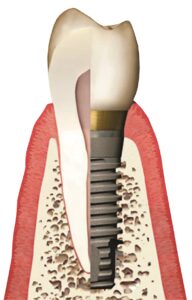 Dental implants can be categorized into three primary components: the implant itself, the abutment, and the crown. The implant is the titanium screw that is placed in the jawbone, the abutment connects the implant to the crown, and the crown is the visible part of the tooth that is custom-made to match the surrounding teeth. This comprehensive structure allows for a seamless and natural-looking restoration.
Benefits of Dental Implants
One of the most significant benefits of dental implants is their durability. With proper care, they can last a lifetime, making them a cost-effective solution in the long run. Additionally, dental implants preserve the integrity of the jawbone, preventing the bone loss that commonly occurs with missing teeth. They also enhance the ability to chew and speak effectively, providing patients with a renewed sense of confidence.
Moreover, dental implants require no alteration of adjacent teeth, unlike bridges, making them a more conservative option. They are also easier to clean and maintain, as patients can care for them just like their natural teeth, promoting better oral hygiene.
Criteria for Choosing a Dental Implant Specialist
Finding the right dental implant specialist is crucial for ensuring successful outcomes. A qualified professional not only enhances the likelihood of a positive aesthetic result but also minimizes the risks associated with the procedure. Here are key criteria to consider when selecting a specialist.
Qualifications and Credentials
When evaluating potential specialists, it’s essential to consider their educational background and credentials. Look for dentists who have received advanced training in implant dentistry, such as a fellowship or membership in recognized organizations like the American Academy of Implant Dentistry (AAID). These credentials indicate a commitment to ongoing education and adherence to high standards in dental implant procedures.
Additionally, verify their licensing status and any disciplinary actions that may have been taken against them. A specialist with a valid license and good standing in the professional community demonstrates reliability and professionalism.
Experience and Expertise
Experience plays a vital role in the success of dental implant procedures. Ask potential specialists about their experience with dental implants specifically, including the number of procedures they have performed and their success rates. An experienced dentist is likely to have encountered various challenges and will be better equipped to handle complications should they arise.
Inquire whether the specialist stays updated with the latest advancements in technology and techniques in implant dentistry. Continuous education ensures that the dentist is aware of the best practices and innovative solutions available, thereby enhancing patient care.
Top Dental Implant Specialists in Chicago, IL
 Chicago boasts a variety of reputable dental implant specialists, making it essential for patients to do their homework and find the right fit for their needs. Here are three top specialists known for their expertise and patient care.
Specialist 1: Overview and Services
Dr. Jane Doe, DDS, is a board-certified oral surgeon with over 15 years of experience in implant dentistry. She is known for her gentle approach and meticulous attention to detail. Dr. Doe offers a wide range of services, including single tooth implants, full arch restorations, and bone grafting procedures to ensure optimal results for patients.
Her clinic emphasizes patient comfort and uses state-of-the-art technology, such as 3D imaging and computer-guided implant placement, to improve accuracy and outcomes. Patient testimonials often highlight her professionalism and the caring environment of her practice.
Specialist 2: Overview and Services
Dr. John Smith, DMD, specializes in implant restorations and has been practicing for over a decade. His expertise lies in complex cases, particularly for patients who have experienced significant bone loss. Dr. Smith utilizes advanced techniques to regenerate bone and place implants with precision.
Patients appreciate Dr. Smith’s thorough consultations, where he explains every step of the process, ensuring they feel informed and confident. His clinic also offers various sedation options to help alleviate anxiety during procedures.
Specialist 3: Overview and Services
Dr. Emily White, MS, is a highly regarded periodontist with a focus on dental implants. With a commitment to comprehensive care, she collaborates with restorative dentists to provide seamless implant solutions. Dr. White is particularly known for her work with patients requiring gum treatments before implant placement, ensuring that each patient has a healthy foundation for their new smile.
Her dedication to patient education and her use of cutting-edge technology, such as laser-assisted periodontal therapy, distinguishes her practice. Many patients commend her for her personalized care and willingness to address concerns throughout the treatment journey.
Patient Reviews and Testimonials
Understanding the experiences of previous patients can provide invaluable insights into the quality of care offered by dental implant specialists. Patient reviews often highlight key factors such as the level of comfort during visits, the professionalism of the staff, and the overall satisfaction with the results.
Importance of Patient Feedback
Patient feedback serves as a critical indicator of a specialist’s reliability and effectiveness. Positive reviews can reflect successful treatment outcomes, while negative comments may signal potential issues to consider. Engaging with online forums and platforms like Healthgrades or Yelp can help you gather a comprehensive view of a specialist’s reputation.
It is important to analyze the feedback carefully, focusing not only on the star ratings but also on the context of individual reviews. Look for patterns in the feedback, such as recurring praises or complaints, to make an informed decision.
Highlighted Reviews from Chicago Patients
Many Chicago patients have shared glowing reviews of their experiences with dental implant specialists. Common themes include the staff’s friendliness, the thoroughness of consultations, and the aesthetic outcomes of their implants. For instance, one patient expressed gratitude for Dr. Doe’s ability to reconstruct their smile after years of feeling insecure about missing teeth.
Another patient praised Dr. Smith for his ability to make a complex procedure feel simple and manageable. These testimonials can provide reassurance to prospective patients about the quality of care they can expect.
Cost Considerations for Dental Implants
Understanding the costs associated with dental implants is crucial for potential patients. Dental implants can be a significant investment, and various factors influence the overall expense, including the complexity of the case, the type of implant used, and the qualifications of the specialist.
Average Cost of Dental Implants in Chicago
In Chicago, the average cost of a single dental implant typically ranges from $3,000 to $6,000. This estimate includes the implant, abutment, and crown, but does not account for additional procedures such as bone grafting or sinus lifts that may be necessary for some patients. It’s essential to obtain a detailed treatment plan that outlines all associated costs before proceeding.
Some clinics also offer package deals for multiple implants, which can result in cost savings. Always inquire about the total cost and what is included in it to avoid any unexpected expenses during treatment.
Insurance and Financing Options
Many dental insurance plans cover a portion of the dental implant cost, but coverage varies widely. It is advisable to consult with your insurance provider to clarify benefits and limitations. Some specialists’ offices have financial coordinators who can assist patients in understanding their insurance coverage and help with the financing process.
Additionally, several clinics offer financing options, allowing patients to pay for their implants in manageable monthly installments. This option can make dental implants more accessible to those who may not have the full amount available upfront.
Conclusion
Choosing the right dental implant specialist in Chicago is a critical step in restoring your smile and confidence. Understanding what dental implants are, their benefits, and the importance of selecting a qualified specialist can significantly impact your treatment experience. Evaluate candidates based on their credentials, experience, and patient reviews to ensure you make an informed choice.
Once you have selected a specialist, begin the journey by scheduling a consultation to discuss your options and any concerns you may have. Your new smile is just a few steps away!
FAQs
1. Are dental implants painful?
Most patients report that the procedure itself is relatively painless due to local anesthesia. Post-operative discomfort is usually manageable with prescribed medication.
2. How long do dental implants last?
With proper care and maintenance, dental implants can last a lifetime. Regular dental check-ups and good oral hygiene practices are essential for longevity.
3. Can anyone get dental implants?
Most adults are candidates for dental implants, but factors such as gum health and bone density need to be evaluated. A consultation with an implant specialist will determine eligibility.
4. How long does the dental implant procedure take?
The entire process can take several months, as time is needed for healing and integration of the implant with the jawbone. However, the actual surgical placement of the implant typically takes one to two hours.
5. What happens if I don’t get a dental implant after losing a tooth?
Not replacing a missing tooth can lead to bone loss in the jaw and shifting of surrounding teeth, which can affect your bite and overall oral health.
In summary, dental implants offer a reliable and aesthetic solution for tooth loss. By carefully choosing a qualified specialist and understanding the costs and procedures involved, patients can confidently embark on their journey to restored oral health.